

Ingredients:
4 large eggs, free range
1 medium avocado
2 tbsp real mayonnaise
1 tbsp each fresh dill and chives, finely chopped
Juice of ½ lemon
Salt and pepper to taste
Dash smoked paprika
Romaine lettuce leaves, for serving
Preparation:
1. Hard boil eggs with your preferred cooking method, then cool, peel, and chop cooked eggs.
2. In a medium mixing bowl, mash pitted avocado with mayonnaise, herbs, lemon juice, salt, and pepper.
3. Add chopped eggs to avocado mixture and toss to combine. Serve egg salad immediately, wrapped in lettuce leaves, or chill and then serve the same day.
Community News
Words to Live By
“Life isn’t about finding yourself. Life is about creating yourself.” – George Bernard Shaw
Community Events
If you are 55+ and want to stay active, connected to the community and meet new friends, Good Neighbours Active Living Centre may be the place for you. Are you looking to stay active or get in shape? Try one of our fitness classes. Are you interested in exploring your creative side? We offer painting, craft workshops and woodcarving. Would you like to share your love of music with others? Good Neighbours has a Choristers group and a variety of instructor-led music classes. Would you like information on issues affecting those 55+? We offer a variety of presentations on healthy living, financial planning and community resources. For more information, check out our website at www.gnalc.ca or call us at 204-669-1710.
Clean Eating Recipe
Nut Free Energy Bites
Ingredients: 1 cup oats. 1/3 cup flax meal. 1/2 cup sunflower seed butter. 1/4 cup maple syrup. 1/8 cup sunflower seeds. 1/8 cup mini chocolate chips. Directions: 1. Place oats and flax meal in a medium sized bowl. Stir to combine. 2. Add seed butter and maple syrup and stir to combine. 3. Stir in sunflower seeds and chocolate chips. 4. Using a small cookie scoop or table spoon, roll mixture into balls. 5. Transfer to a small storage container and keep in the refrigerator.
Benefits of Companionship
Every February, cards, flowers and gifts are exchanged between couples and loved ones. If you’re not in a romantic relationship, or have recently lost a spouse, Valentine’s Day can instead be a celebration of the significance of companionship. Whether it is a close friendship or an intimate relationship, social interaction is needed to prevent health decline in seniors. Loneliness is a risk factor for functional decline in adults over the age of 60. It’s amazing how something as simple as a friendship can enhance aging hearts and strengthen the immune system. Companionship can decrease the physical risk of disease by diminishing blood pressure, heart rate and cholesterol. The psychological benefits include: increased self-esteem, decreased stress, and a sense of belonging. Older adults can also benefit from having a pet. In particular, dogs are great for seniors and can open them up to new activities and interests. Dogs are known to provide emotional support and act as human replacements for people living alone.
Balance: Don’t Lose It!
How’s your balance? Those slippery Winter-peg icy sidewalks, driveways, and parking lots can make it very challenging to stay on two feet!
Our ability to balance depends on many things. Think of uneven terrain like a hiking path or a street curb, or an unsteady or moving surface like travelling on a moving bus. It also matters if we are anticipating something that might knock us over, or if it takes us by surprise. Our body has not one, but three systems contributing to our ability to balance:
- Vision – we can see if we are falling! If our surroundings are all suddenly tilting or going in the same direction, it alerts us.
- Vestibular (inner ear) – complex structures deep in our ear canals detect changes like rotation, acceleration, head position, and our relationship to gravity.
- Proprioception (in muscles and joints) – our ability to know what position our bodies are in. Without looking, we know if our arm is up or down…or bent or straight.
Balance is like most skills: if we don’t use it…we lose it! As we get older it is very common for balance decrease. And so, falling is more common in elderly populations. But this does not have to be the case!
A physiotherapy balance assessment can identify areas that need practice. A personalized balance program takes only minutes out of your day, can help you use your balance…so you don’t lose your balance!!
If you want to improve your balance and minimize your risk of falls, talk to your physio!
Erin Blaine, MPT
Physiotherapist | Prairie Trail Physiotherapy
When a Senior Loved One Has a Gambling Problem
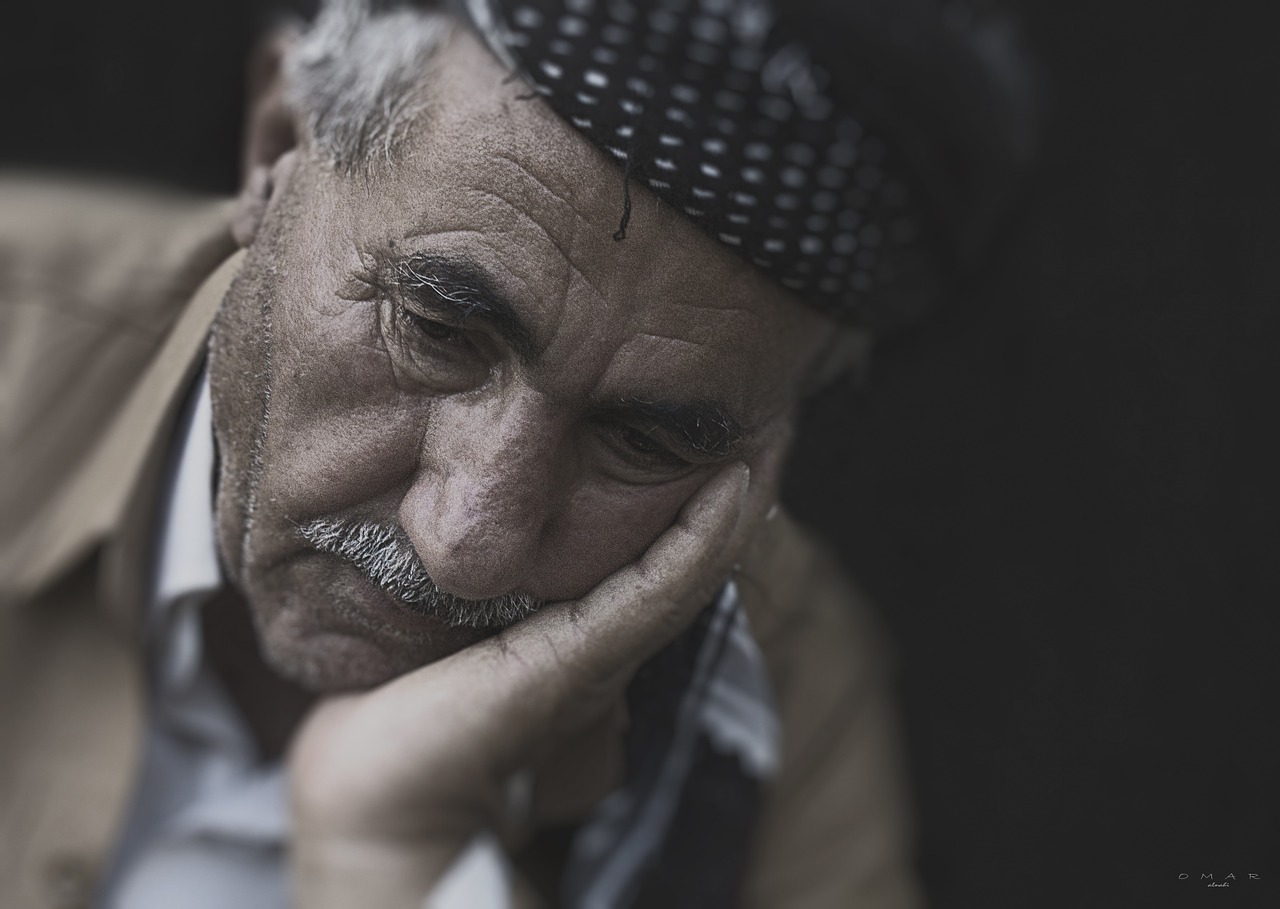
Gambling is a huge industry in Canada. Casino gambling is more popular than ever.
Seniors enjoy bingo, racetrack betting—and especially, casino gambling. Retirement-aged consumers are an especially desirable demographic for the gaming industry because they fill the floors during off-peak hours. Casinos market to them aggressively, offering discounted meals, ‘Golden Oldies’ entertainment shows, and complimentary shuttle service.
For many seniors, gambling is harmless entertainment. They hop on the casino shuttle, socialize with others and casino staff, bet a few dollars and take advantage of senior discounts on meals, drinks and perhaps a show. They’ve set aside part of their entertainment budget for gambling, and they stop when they reach their limit. However, some older adults develop a gambling problem that seriously impacts their financial well-being.
What is problem gambling?
Problem gambling—also referred to as gambling addiction, pathological gambling or a gambling disorder—happens when a person becomes obsessed with gambling and has an uncontrollable urge to keep gambling. According to the Nevada Council on Problem Gambling, “For the problem gambler, making a bet is not just about having fun or winning money. Gambling becomes an emotional response to change the way they feel.” In addition, warns the NCPG, a person might have a gambling problem if they are:
- Bragging about gambling, exaggerating wins and minimizing losses
- Restless and irritable when not gambling
- Gambling in hopes of winning back what they have lost
- Borrowing money for gambling
- Lying to hide time spent gambling or unpaid debts
- Doing something illegal to get money for gambling
- Jeopardizing a significant relationship or job by gambling
Why are seniors at higher risk?
The NCPG explains that boredom, isolation, depression and cognitive impairment affect judgment and make it harder for senior gamblers to stick to their limit. Seniors on a fixed income—who can little afford to gamble away their money—might hope that they will strike it rich and improve their financial situation. In addition to the signs above, family may notice that their loved one has withdrawn from the activities they used to enjoy. Possessions may have disappeared from their loved one’s home, and their loved one is vague about what happened. A senior may be neglecting their personal needs—food, medical care, or exercise. And here’s a sign experts often cite as a red flag: Seniors with a gambling addiction show little interest in the buffet, entertainment or social aspects of a casino trip, instead heading straight for their “lucky machine” and settling in.
What can family do?
The first step is to review the warning signs of problem gambling to get a better picture of whether your loved one has a problem. You can’t step in merely because you don’t approve of gambling, or you think Mom should spend her entertainment money somewhere else.
The next step is to determine whether there are medical reasons behind the problem. Gerontologists say problem gambling might be a sign that a senior is dealing with early Alzheimer’s disease or other cognitive impairment that impairs judgment and impulse control. The side effects of some medications also can make a senior more susceptible to compulsive gambling. For example, certain drugs prescribed to control the symptoms of Parkinson’s disease have been linked to impulse control—including pathological gambling. Urge your loved one to be evaluated by a healthcare provider to rule out or diagnose these problems.
Having a conversation about problem gambling can be very difficult. Your loved one may resist talking about it and may insist that there isn’t a problem. Assure them that you have their best interests in mind, and that you want to help, not judge. Encourage your loved one to talk to a professional. Treatment is available for gambling addiction and includes support groups, psychotherapy and sometimes medication. Consider bringing in a geriatric care manager (also called an aging life care specialist) to mediate the conversation and to help you locate treatment resources. Talk to your loved one’s financial manager, or consult an elder law attorney. Sometimes, if a senior is no longer able to manage their money, families must take a larger role. (Read “Stepping In, Stepping Up: Legal Issues for Family Caregivers” in the August 2016 issue of the Caring Right at Home newsletter to learn more. A poll in that issue found that many Caring Right at Home readers have held a durable power of attorney or guardianship for a senior loved one at some point.)
Not every gambling habit rises to the level of addiction. A senior who goes to the casino several times a week to stave off boredom and loneliness might find even more mental stimulation and companionship through a senior recreation program, volunteer service, events at their faith community, or taking a class. Help your loved one locate appropriate activities in the area. If your loved one has become isolated due to mobility challenges, consider hiring home care to provide companionship and transportation. Even computer games can be a substitute for folks who enjoy relaxing with a machine—and as a bonus, these games offer far more mental stimulation and brain exercise than a slot machine.
Take Control Of Your Health!
The beginning of the year is a great time to think about your health and investigate ways of improving it. One of the most effective things that you can do is to get tested nutritionally. For example, Contact Reflex Analysis nutritional testing will determine if you are lacking specific nutrients that could be causing or contributing to an unwanted health condition. If a weakness or deficiency is found, specialized nutritional formulations can be taken to correct the affected areas, so your health can improve naturally. Let 2019 be the year that you take control of your health and well-being.
To Humble New Beginnings
To be humble… allows for a deep acceptance that everyone you encounter can teach us something new about apart of ourselves you might now know otherwise. It’s the lens that allows each person we meet to be seen as a Buddha, providing us with insights and teachings for our own personal wellbeing and growth. Not everyone will you choose to be connected to, but in that moment in time, when we stay open to receiving another person’s being, we welcome in our own humility and heart, knowing we are all here to support one another in our humanness. Humility is an active release of arrogance, creating an attitude of inclusivity, celebrating and embracing our own self-worth while balancing a deep knowing that everyone here on our planet is just as worthy as we are.
Have a Smoke-Free 2019
Something about leaving an old year behind and looking ahead at the clean slate of a new one inspires most of us to try. We think about making lasting positive changes in our lives, and we do it with hope and enthusiasm. If you’re planning to start the new year without a cigarette in your hand, but have had no luck sticking with past New Year’s resolutions, consider laser therapy. Laser therapy can help to control cravings and withdrawal symptoms. In clinical studies, patients report a noticeable reduction in cravings, and have a higher chance of success in quitting.
Treat Yourself Well This Year
Massage Therapy is a powerful tool to optimize your health and reach your New Year’s resolutions. Did you know that daily stress can cause fatigue, headaches, and difficulty sleeping? Massage is one of the best ways to relieve this kind of tension and release unwanted toxins from your body. Regular massage therapy can also help lower blood pressure and heart rate. It also aids in fighting many kinds of chronic illnesses. Your mind and well-being are with you for life; massage is one of the best forms of self-care you will find.
